
.jpg)
Making travel plans for 2024? Hotel credit cards provide travel rewards for your purchases that can help you save on overnight stays. Some even include useful perks to lower some of your travel expenses, like free night stays and complimentary elite membership offers.
However, hotel credit cards are generally co-branded credit cards, which means they’re affiliated with a particular hotel or brand. So you’ll have to prefer one hotel over others, since that’s where you’ll earn perks and rewards. If you prefer shopping around for the best rate or don’t always stay at the same hotel, a general travel credit card will likely suit you better.
I’ve had the Chase Sapphire Preferred®️ Card for about half a year now and it’s done nothing but improve my travel experience. I’m earning good rewards for not only travel but also for eating out. I’ve accrued a good amount of rewards (especially after earning its welcome bonus) that I’ll be able to use for future trips.
Why I like the Chase Sapphire Preferred
The Chase Sapphire Preferred has plenty of great features that offer real-world value. Its rewards system is simple and clear. And its perks, from travel protections to an annual $50 hotel credit, are great value adds.
That hotel credit -- along with its 2x points for travel, and 5x points for hotels booked through Chase Travel℠ -- is why the Sapphire Preferred tops this list, despite not being a co-branded hotel card. It doesn’t lock you into booking with any one hotel brand and still provides a good return on your hotel spending.
Chase is partnered with IHG One Rewards, Marriott Bonvoy and World of Hyatt, letting you transfer your rewards to those hotels at a great rate. Chase also partners with many other popular travel brands like United and Southwest, with a 1:1 point transfer rate. That means you can earn rewards and then transfer them to your favorite travel brand, where the rewards could be worth more.
But even if you don’t want to use point transfers (I haven’t yet), you can still redeem for travel through Chase Travel with a 25% redemption bonus. So points that are typically worth 1 cent when redeemed for statement credits are worth 1.25 cents when redeemed through Chase Travel.
It’s been a great travel credit card so far -- I was able to earn its welcome bonus, which added a nice chunk of rewards to my account that I can use to cover other trips. Its lack of foreign transaction fees made it easy to use when I traveled to Spain, and I’m sure it’ll only get better once I dip into point transfers. In my opinion, it’s well worth its $95 annual fee.
The best hotel credit cards
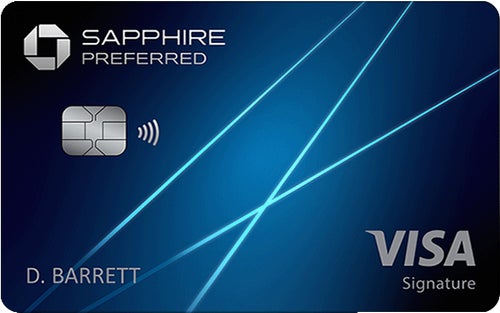
If you’re not partial to one specific hotel brand, the Chase Sapphire Preferred is a good option. You’ll earn points for your purchases that can be redeemed through the card’s hotel and airline partners or for nearly any hotel through Chase Travel℠.
The Sapphire Preferred comes with a few hotel perks, including a $50 annual hotel credit to use when booking your stay through the Chase Travel℠ portal. And Chase has three hotel partners to transfer points to -- IHG, Marriott Bonvoy and World of Hyatt. Booking travel through the Chase portal may stretch your points further. You can redeem at 1.25 cents per point as opposed to transferring your rewards 1:1 to the travel partner of your choice.
In addition, the Sapphire Preferred has a 60,000-point welcome bonus (or $750 toward travel via Chase Travel℠) if you spend $4,000 within the first three months of account opening. This can be valuable for upcoming hotel stays.
Hilton Honors American Express Surpass® Card
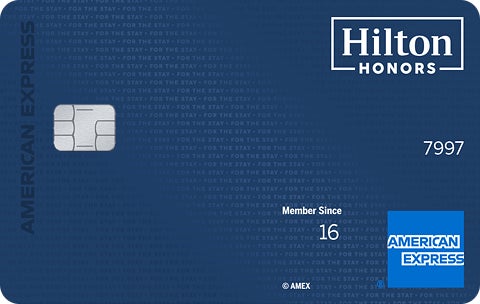
If you’re a loyal Hilton fan, the Hilton Honors American Express Surpass Card also automatically qualifies you for Hilton Honors Gold status. Perks include getting fifth night free when booking with points, room upgrades when available, free water, and daily food and beverage credits for select US hotels. The card also offers a free night reward if you spend $15,000 on eligible purchases in a calendar year.
If you spend $40,000 on eligible purchases in a calendar year, you may qualify for Hilton Honors™ Diamond status through the end of the next calendar year. Diamond status includes room upgrades if space is available, 48-hour room guarantee and other perks to enhance your stay.
IHG One Rewards Premier Credit Card

With the IHG One Rewards Premier Credit Card, you get 20% off point purchases through IHG.com and a free night after each card anniversary. We like that you’ll get the fourth night of your stay free when you redeem points for a consecutive four-night IHG hotel stay. You can also earn five free nights after spending $4,000 on purchases in the first three months from account opening.
If you’d like to be a VIP whenever you visit an IHG property, the IHG Rewards Premier credit card awards you Platinum Elite Status once you’re a cardholder. Platinum Elite member perks include guaranteed room availability, free room upgrades, priority check-in, late checkout, welcome amenities, and complimentary drinks or snacks at Kimpton hotels.
IHG properties include some of the most luxurious and trendy brands around such as Kimpton Hotels, Regent, Six Senses, Crowne Plaza and Intercontinental Hotels.
The Business Platinum Card® from American Express
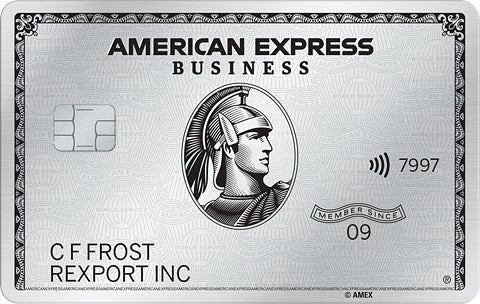
Business travelers should look at the Business Platinum Card from American Express. The card offers up to a $200 airline fee statement credit per calendar year at one selected qualifying airline, up to a $199 CLEAR® Plus airport security statement credit per year (subject to auto-renewal), up to a $100 statement credit for Global Entry or TSA PreCheck ($100 statement credit for Global Entry every four years, or up to $85 statement credit for TSA PreCheck every 4.5 years), complimentary access to more than 1,400 airport lounges.
As for hotel perks, you’ll get up to $550 per year in value from Fine Hotels + Resorts including complimentary daily breakfasts for two and late checkouts (4 p.m.).
Best of all, Business Platinum cardholders get Gold status for Hilton Honors and Gold Elite Status with Marriott Bonvoy without the need to carry specific cards for either brand or meeting a minimum number of stays. You can also transfer your points at a 1:1 ratio to several travel partners, including Marriott Bonvoy for hotel stays.
Keep in mind that this card has a steep $695 annual fee, so it’s best to make sure the card is a valuable addition to your wallet before applying.

The Marriott Bonvoy Boundless Credit Card* is a midtier Marriott hotel credit card. You’ll get an annual free night certificate equivalent to up to 35,000 points and 15 Elite Night credits per calendar year that help you get to Gold Status faster from the automatic Silver tier you receive each account anniversary year. And you can earn three Free Night Awards (each valued up to 50,000 points) after spending $3,000 in the first three months.
Aside from redeeming your rewards for Marriott hotel stays, you can also redeem points for airfare, cruises, rental cars, gift cards and Marriott Bonvoy shopping portal purchases. Or you can transfer points to Marriott’s travel partners.
The card also has a few other travel benefits, including baggage delay insurance, lost luggage reimbursement and trip delay insurance.
How do hotel credit cards work?
Hotel credit cards let you earn rewards on your everyday purchases and then redeem them toward future hotel stays, room upgrades and other hotel perks.
There are generally two main types of hotel credit cards: co-branded hotel credit cards and travel credit cards. Both options let you earn and redeem rewards for hotels, but the right type of hotel card for you depends on how often you travel, whether you’re a hotel loyalist and if you can offset an annual fee with rewards and other perks.
Co-branded hotel credit cards: These cards are offered by major card issuers, including Chase and American Express, in partnership with hotel loyalty programs such as Hilton Honors and Marriott Bonvoy. With a co-branded credit card, you’ll earn points toward the hotel’s loyalty program. A major benefit is the added brand perks and benefits. Some hotel credit cards offer automatic elite status, credits toward elite status, annual hotel credits and free night awards.
However, you won’t be able to redeem your rewards with other hotel loyalty programs -- which makes these cards less valuable if you’re interested in the best deal anywhere instead of brand loyalty. On the other hand, some co-branded hotel credit cards let you enhance your travel in other ways -- like redeeming points for flights or rental cars.
General travel credit cards: If you’re not loyal to a single hotel brand, or you’re looking for a more flexible card option, general travel cards are another way to earn rewards toward trips. We like the Chase Sapphire Preferred® Card and Capital One Venture Rewards Credit Card* because of their flexible redemption options.
You’ll accrue points or miles on your regular spending, bills and travel. You can then redeem them for hotel stays through the issuer’s travel portal, or you can transfer them directly to a hotel loyalty program.
Many premium travel credit cards offer increased points for hotel stays booked through the issuer’s portal. For example, the Chase Sapphire Reserve® offers 10x points per dollar on hotels and car rentals booked through Chase Travel℠.
While travel credit cards offer more flexibility, this option focuses on helping you save on your trip altogether -- not just hotels. Some travel credit cards will offer hotel perks or more points to use toward a hotel stay. But you can also redeem rewards towards flights, rental cars and other travel expenses. Some even come with concierge service, travel insurance and lounge access.
Pros
Earn rewards with your preferred hotel brand
Gain complimentary elite membership from certain cards
Some cards feature useful travel protections
Cons
The best hotel credit cards charge an annual fee
For co-branded cards, you won’t be able to redeem rewards outside of your hotel brand
Are hotel credit cards worth it?
To decide whether a hotel credit card is right for you there are a few factors to consider.
First, consider how often you book hotels and which loyalty program you use the most. If a good portion of your spending goes toward hotel stays and travel, a hotel credit card may be worth considering.
In general, co-branded hotel credit cards are most valuable for people who stay with a specific hotel brand a few times per year and want some added benefits within the loyalty program -- like early check-in or free award nights.
Occasional travelers should look for cards that offer free night certificates or easy-to-use credits for stays like the Hilton Honors American Express Surpass® Card’s quarterly $50 Hilton credit.
For business travelers who might spend several weeks in a hotel each year, co-branded hotel credit cards can be even more helpful to climb the elite status ladder and score extra benefits along the way.
The decision may be different depending on a number of factors, including whether you prefer travel with one brand, you’re interested in earning status or you want more flexible redemption options.
On the other hand, if you’re more flexible in your hotel preferences, a hotel credit card may not be as beneficial. Instead, consider a general travel rewards credit card. This way, you can rack up rewards based on your spending -- ranging from travel to everyday purchases like dining and groceries.
Most flexible travel credit cards let you redeem your rewards for hotel stays through the issuer travel portal, or even transfer your points to specific hotel loyalty programs, among other redemption options.
Alternatives to hotel credit cards
A general travel credit card offers more flexibility since it isn’t tied to a single brand. Instead, you can earn rewards across all hotels and then redeem those rewards for travel or transfer them to the card issuer’s partners.
If you don’t want to open a new credit card to earn hotel points, most hotels have loyalty programs. While a co-branded hotel card may jump start you a few tier levels, you can still work your way through loyalty program levels without a credit card.
Do hotel rewards expire?
When it comes to flexible travel credit cards that earn points you can use for hotels, rewards typically don’t have an expiration date as long as your account is open. On the other hand, points you earn in hotel loyalty programs often do expire if you don’t have any qualifying account activity for a specific length of time (which can vary by program).
Here’s a rundown of the expiration policies for many major hotel loyalty programs.
| Loyalty program | Expiration policy |
| Choice Privileges | 18 months with no qualifying activity |
| Hilton Honors | 24 months with no qualifying activity |
| IHG Rewards | 12 months with no qualifying activity |
| Marriott Bonvoy | 24 months with no qualifying activity |
| World of Hyatt | 24 months with no qualifying activity |
| Wyndham Rewards | 18 months with no qualifying activity |
While these expiration policies may seem severe, even very minor activity on your account can reset the clock and keep your points alive. For example, your expiration timeline for hotel points starts over any time you earn any hotel points or you redeem points for a hotel stay or other redemptions. If you have a hotel credit card that you use to earn points on a regular basis, you can continue to keep your hotel points alive in perpetuity.
If you don’t travel often enough to meet these deadlines, you may find better value from a general travel credit card or cash-back credit card that you can use to earn more flexible rewards on your everyday spending without worrying about expiration dates.
How to apply for a hotel credit card
Follow these steps to apply for a hotel credit card.
- Choose a card with your favorite hotel brand that fits your travel budget.
- Follow the appropriate link above to be taken to the credit card issuer’s secure site.
- Fill out your financial and personal information, including your name, address, date of birth, Social Security number, income, and monthly rent or mortgage payment
- If approved, use the card responsibly and remember to always pay your bill in full and on time.